
2026 Logistics Outlook: What Australian brands should expect from their 3PL
The new year brings a significant shift in pressure for e-commerce and retail teams. Consumer demand is rising, but delivery windows are shrinking.
According to Australia Post’s latest insights, 85% of shoppers now cite a reliable delivery experience as the single most important factor in trusting a retailer over the next five years. To compete in 2026, brands must move beyond "basic fulfillment" and embrace a tech-driven supply chain that treats logistics as a core part of the customer experience.
Automation and AI will shape day-to-day operations
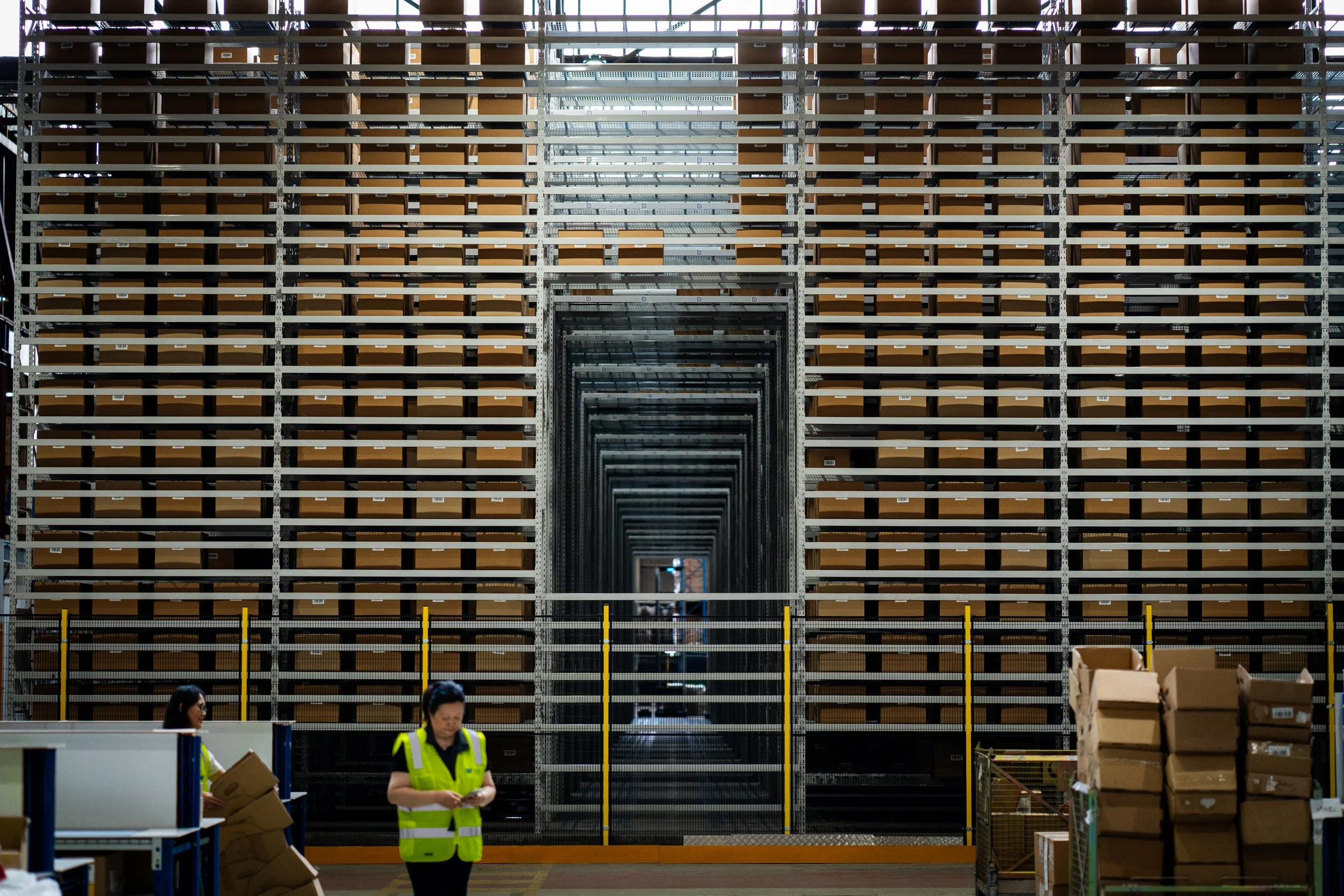
Australian warehouses are moving fast toward automation. Robotics, smart conveyors, and real-time scanning are now standard across advanced 3PLs. AI is also changing inventory planning through forecasting, order routing, and quality checks. Brands working with tech-enabled 3PLs will see faster dispatch, fewer errors, and stronger accuracy. By automating high-repetition tasks, these systems allow for 24/7 processing, ensuring that even during the highest volume peaks, order accuracy and dispatch speed remain at 99.9%.
Local fulfilment hubs will continue to rise
In 2026, the priority is no longer just about where your stock sits, but how fast it moves to the final mile. To improve the customer experience, brands must move toward a model that offers same-day delivery, longer delivery hours, and more convenient, faster options directly from their primary fulfillment point.
For premium brands, offering "Amazon-type speed" is becoming the baseline requirement to survive. By integrating advanced delivery tiers such as evening delivery and next-morning guarantees, brands can significantly increase customer trust and conversion rates. Having these high-speed options available from your central fulfillment hub will be a primary driver for the rise of Australian labels to iconic status.
Sustainability pressure will increase
Australian customers expect cleaner operations, and regulatory bodies are now making this a requirement. Under the Treasury Laws Amendment (Financial Market Infrastructure and Other Measures) Act 2024, mandatory climate-related financial disclosures aligned with AASB S2 standards are being phased in for large and medium-sized entities. This brings a major focus on reporting "Scope 3 emissions," which includes the indirect carbon footprint within an organisation's value chain, such as transportation and distribution. Brands will soon be required to provide detailed reporting on eco-packaging, transport emissions, and waste reduction. Partnering with a 3PL that provides these data-driven insights is now essential not just for both brand trust but legal compliance.
Costs and labour shortages will push brands to outsource more
Freight costs remain high and skilled labour is becoming harder to find in the Australian market. Brands that rely on in-house operations often struggle to keep up with the rising overheads of maintaining a modern warehouse. Working with a 3PL that controls cost, labour, and workflow gives retail teams the bandwidth to focus on their actual products and revenue. Outsourcing effectively moves the burden of recruitment and rising industrial costs to a partner with the scale to absorb them.
Flexibility will matter more than size
The market will reward brands that can scale up or down with demand. Black Friday, seasonal peaks, and sudden growth require a fulfilment engine that adjusts without breaking. A flexible 3PL protects brands from stock delays, bottlenecks, and customer complaints. Whether you are shipping 500 orders or 50,000, your logistics partner must be able to pivot their resources instantly to ensure your brand reputation never suffers due to a sudden surge in popularity.
Direct integrations will become essential
Retailers and marketplaces are lifting performance standards, making EDI and real-time visibility non-negotiable. Nailing cross-border trade requires deep expertise in tax and duties compliance and the ability to scale into new markets seamlessly. The most successful brands in 2026 will reject the "one-carrier-fits-all" global model. Instead, they will break up their carrier mix by region, utilising specialists who are the best in each specific country or region, such as a New Zealand specialist for the Tasman and different local experts for the US and Asia. You need a partner with the international experience to manage these varied carriers and ensure your brand experience is consistent globally.
How brands can prepare now
A simple audit will help teams plan for the year ahead. Check for:
Dispatch speed
Accuracy rates
Automation capability
Returns capability
Marketplace compliance
Real-time reporting
Ability to scale during peaks
If any area slows down the business, it is time to review the current 3PL setup.
At Williams Logistics, we have built our entire infrastructure to address these shifting tides. We act as the strategic backbone for our clients by providing specialised logistics expertise that goes far beyond simple storage.
By leveraging our 40 years of experience, we provide brands with the real-time operational data needed to make smarter, more profitable decisions across their entire business. We help our brands identify customer friction points and optimise their logistics workflow to increase lifetime value. At Williams, we help our customers achieve measurable, scalable growth from the first click to the customer’s front door. In 2026 we are introducing new ways we can assist our brands by providing a one roof approach to facilitate all their needs for scalable growth.